
Hermès Arceau: Stirrups in Time—The Elegance of Asymmetry Woven in Metal
There is a quiet drama in the way a horse and rider move as one—the stirrup finding rhythm with the hoofbeats, the leather of the saddle yielding to the body’s sway, the asymmetry of motion that feels more natural than any rigid symmetry. Equestrianism, at its core, is a dance of balance: not the cold perfection of a scale, but the living harmony of two beings moving in sync. For Hermès, a house born from the art of saddlery, this dance has always been a wellspring of inspiration. It is in the curve of a stirrup, functional yet graceful, that the Arceau watch finds its soul. With its asymmetric lugs—one curving like a stirrup’s arch, the other following the wrist’s gentle slope—it is more than a timepiece. It is a wearable ode to the beauty of balance found, not forced, a reminder that elegance often lies in the spaces between symmetry and spontaneity.
To fasten an Arceau around the wrist is to feel the weight of Hermès’ equestrian legacy. Since 1837, when Thierry Hermès began crafting harnesses and saddles for Paris’ carriage trade, the house has understood that the most enduring designs are those rooted in purpose. A stirrup, after all, is not just a loop of metal; it is a feat of engineering, shaped to cradle the foot, withstand pressure, and move with the rider. This philosophy—form serving function, with beauty as a natural byproduct—defines the Arceau. Introduced in 1978 by designer Henri d’Origny, it reimagined the watch case not as a boxy afterthought, but as an extension of the wrist’s anatomy. Its lugs—the small projections that attach the strap to the case—break the rules: one is longer, curving outward like a stirrup caught mid-swing; the other is shorter, hugging the wrist like a rider’s hand gripping the reins. Together, they create a symmetry of imbalance, a design that feels alive, as if the watch itself is in motion.
This dynamic quality makes the Arceau surprisingly versatile, moving seamlessly between worlds as only Hermès can. It looks at home at a sunlit polo match in Greenwich, its leather strap complementing the rich tones of saddle leather, the asymmetric lugs echoing the stirrups on the field. It adds a touch of understated luxury to a cashmere sweater and tailored trousers in a Chicago boardroom, where its unique profile sparks quiet curiosity without overshadowing the conversation. It even shines at a candlelit dinner in Napa, its polished case catching the light, the lugs’ curves softening the formality of the moment. It is a watch that adapts to life’s rhythms, not the other way around—much like the stirrup that inspired it.
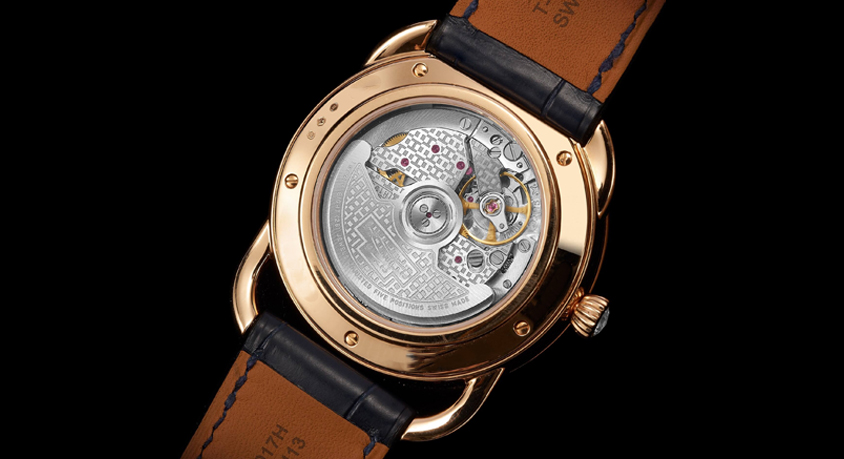
The craftsmanship of the Arceau lies in its ability to make complexity feel effortless. Creating asymmetric lugs that are both functional and beautiful is a masterclass in precision. Hermès’ artisans begin by studying the anatomy of the wrist, mapping its contours to ensure the lugs—though different in length—sit equally comfortably. The longer lug, inspired by the stirrup’s arch, is forged from a single piece of 18K gold, platinum, or stainless steel, its curve refined over hours to avoid sharp edges that might dig into the skin. The shorter lug, designed to anchor the strap securely, is shaped with a subtle taper, its surface polished to a satin finish that contrasts with the longer lug’s high shine, adding visual texture without disrupting the flow.
This attention to detail extends to every part of the watch. The case, typically 38mm to 43mm, is sized to frame the dial without overwhelming the wrist, its edges rounded to mirror the lugs’ softness. The dial itself is a study in Hermès’ signature restraint: some models feature a sunburst finish in warm tones—amber, tobacco, sage—evoking the hues of leather and earth; others use Grand Feu enamel, fired multiple times to achieve a depth of color that looks like liquid stone. The numerals, often rendered in a playful, rounded font, are applied by hand, their placement slightly irregular to echo the lugs’ asymmetry, as if they’ve been arranged by a painter rather than a machine. Even the hands are shaped with intention: slim, blued steel, their tips curved to follow the dial’s edge, a quiet nod to the stirrup’s arc.
The strap, a Hermès hallmark, completes the design. Crafted from the house’s iconic leather—Epsom for its textured durability, Barenia for its rich patina, or Swift for its smooth suppleness—it is stitched by hand with the same precision used in saddlery. The buckle, often shaped like a tiny stirrup, is polished to match the case, a final flourish that ties the watch back to its equestrian roots. It is a strap that breaks in, not down, growing more beautiful with time, its color deepening, its texture softening, much like a well-loved saddle.
Beneath the dial lies a movement that matches the Arceau’s blend of art and engineering. Depending on the model, it uses either a self-winding in-house caliber or a precision movement from Switzerland’s finest manufacturers, each regulated to ensure accuracy within seconds a day. What matters is not just its performance, but its integration with the design: the movement’s thickness is calibrated to keep the case slim, ensuring the watch sits close to the wrist, and its rotor—visible through the sapphire case back—often features a horseshoe or stirrup motif, a hidden treasure for the wearer to admire.
For collectors, the Arceau’s allure lies in its rarity and relevance. Hermès produces each model in limited quantities, with special editions—like those with enamel dials or precious metal cases—released in such small numbers they become instant classics. Its design, though decades old, feels fresh, a testament to its timelessness. Vintage Arceau watches, especially early models from the 1970s and 1980s, are highly sought after at auctions, their value driven by their connection to Hermès’ heritage and the enduring appeal of their design. They are not just watches; they are pieces of design history, artifacts that tell the story of a house that turns utility into art.
Yet what truly makes the Arceau unforgettable is the way it becomes part of the wearer’s story. It might be a gift to mark a first ride, a reminder of the courage it took to mount a horse. It could be a companion on a cross-country road trip, its leather strap absorbing the scents of pine and dust. It is a watch that carries memories in its patina: a scratch on the case from a wayward saddle buckle, a faded strap that tells of countless hours in the sun. It does not just measure time; it accumulates it, becoming a tangible record of a life lived with purpose and grace.
In a world that often chases the illusion of “perfect” symmetry, the Hermès Arceau stands as a celebration of life’s beautiful imbalances. It is a watch shaped by the stirrup’s practical poetry, by the horse and rider’s unspoken rhythm, by the understanding that true elegance comes from fitting into life, not forcing life to fit. With its asymmetric lugs and quiet confidence, it is more than a timepiece. It is a lesson: that balance, when lived, is far more beautiful than any symmetry could ever be.
MORE FROM WIRED
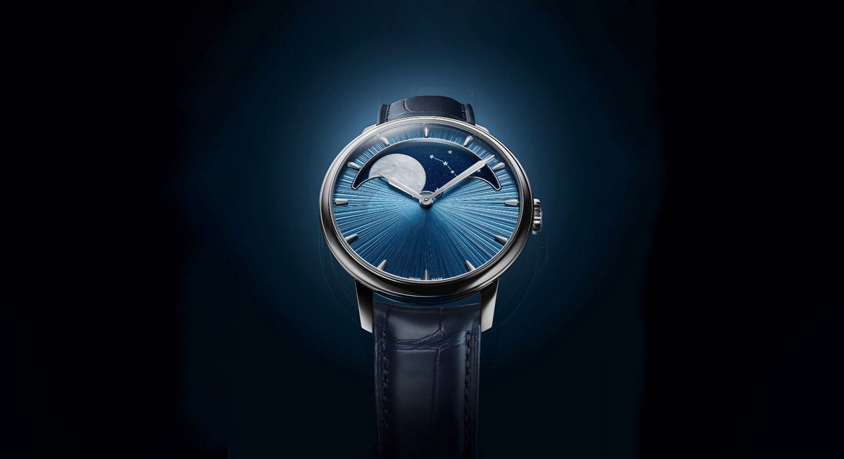
- Arnold & Son HM Perpetual Moon: A Sky Unfolded—Where the Moon Dances on a Sea of Stars
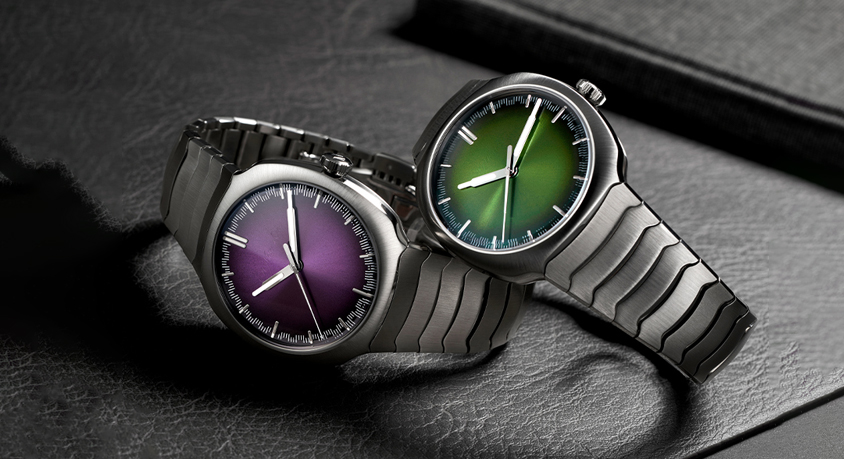
- H. Moser & Cie Streamliner: A Chain of Time Woven—Retro Curves, Future Glow
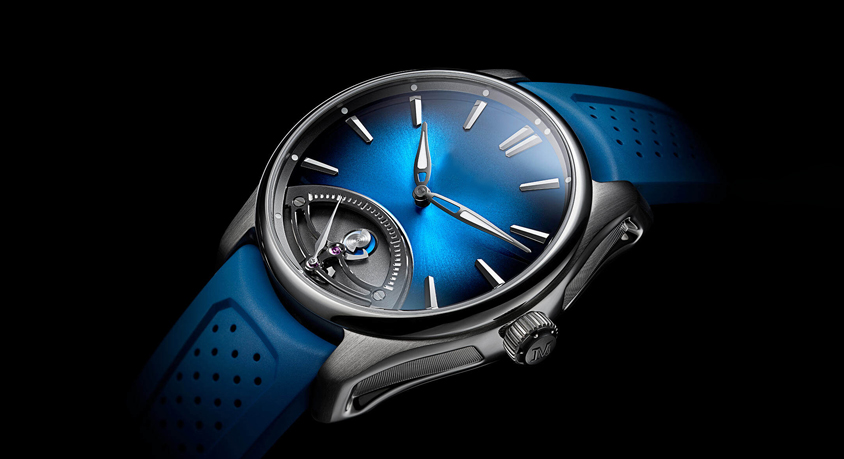
- H. Moser & Cie Endeavour: Time Stripped Bare—The Quiet Luxury of a Smoked Dial
- Aug,25,2025
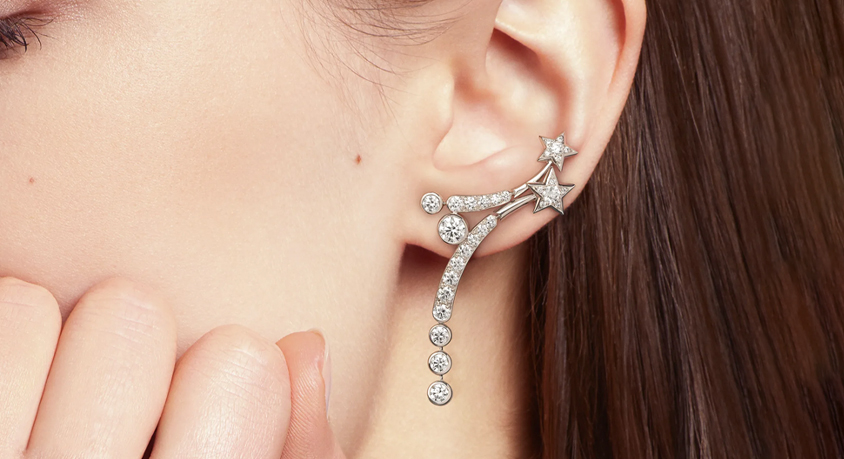
- Chanel Comète: Asymmetric Celestial Whispers That Dance on the Ear
- Aug,18,2025
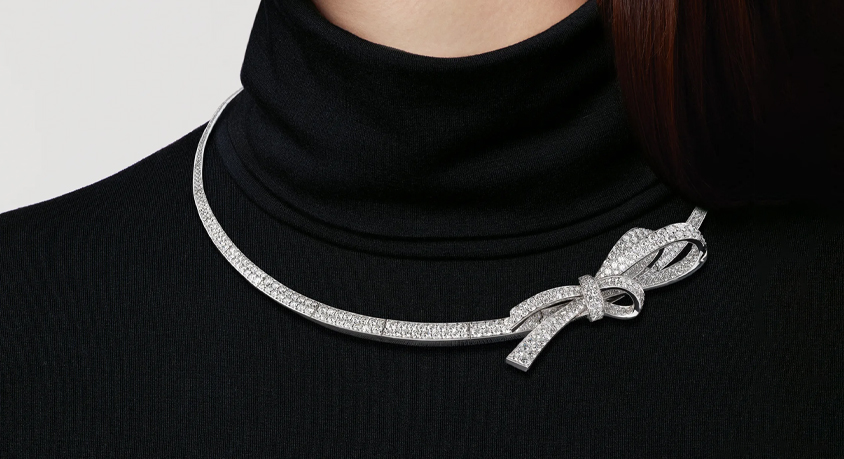
- Chanel Ruban: A Diamond Ribbon Bow That Ties Time in Elegance
- Aug,11,2025
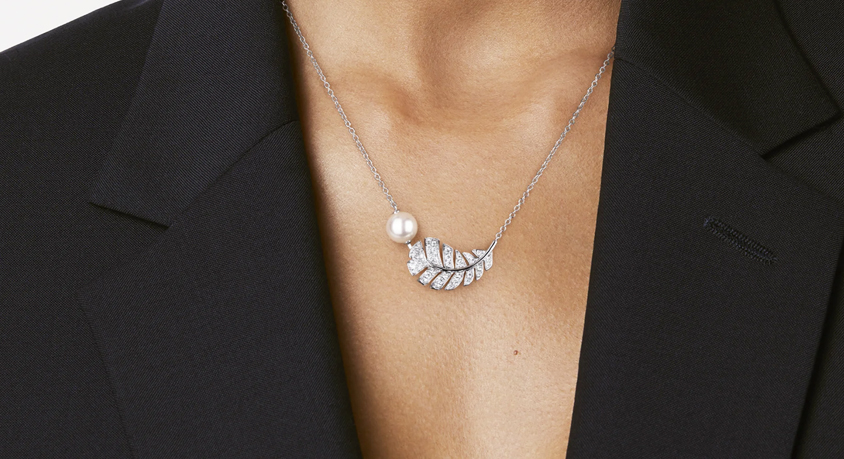
- Chanel Plume de Chanel: Where Diamonds Take Flight—Feathers Woven in Light
- Aug,04,2025
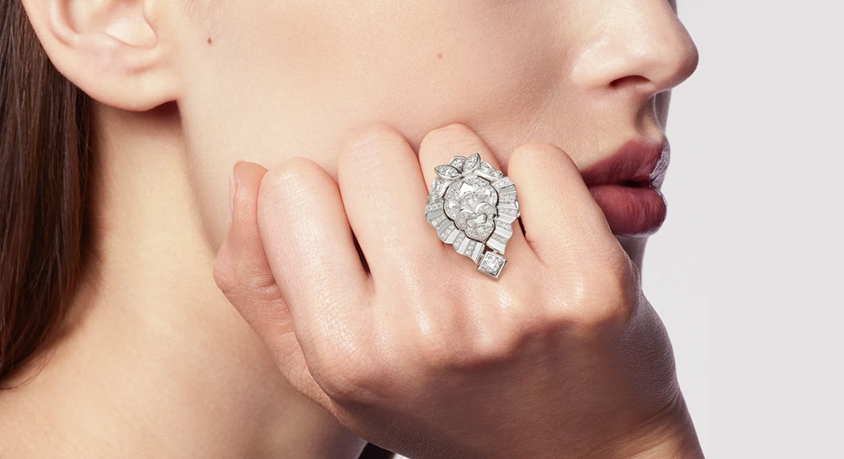
- Chanel Sous le Signe du Lion: A Lion’s Gaze in Yellow Diamonds and Emeralds—Strength Worn Boldly
- Jul,28,2025