
Cartier Tank: The Eternal Geometry of Courage Forged in Gold and Enlightenment
Paris, 1917. Renault FT-17 tanks crawl through Argonne mud as Louis Cartier sketches by gaslight. Not trenches or artillery, but clean perpendicular lines inspired by aerial views of armored treads. "Not a timepiece," he murmurs to his workshop, "but a perspective shift." By 1919, the Tank watch emerges—not merely telling time, but distilling the 20th century’s soul into right angles and sapphire cabochons. Over a century later, its minimalist rebellion still whispers: true luxury is the courage to reduce.
Hold a 1920s Tank Normale. Feel its radical flatness—a 23mm × 30mm rejection of pocket-watch rotundity. Slide it under a loupe. Those parallel brancards (side rails)? Not applied decoration, but structural beams flowing seamlessly into lugs, creating the illusion of a floating dial. Each rail is hand-filed to a 45-degree slope—sharp enough to cut light, gentle enough to caress silk shirt cuffs. The sapphire cabochon crown isn’t adornment; it’s Cartier’s signature wax seal, ground from Sri Lankan roughs until achieving that exact "midnight ink" hue.
Now witness the dial—a manifesto in negative space. Roman numerals stretch like Parisian balconies over railroad tracks. The secret? Cartier’s chemin de fer (railroad) minute track curves imperceptibly at the edges, correcting optical distortion. Those blued steel épée (sword) hands? Forged from German silver, then flame-tempered at 290°C until reaching bleu de roi—the exact shade of Joan of Arc’s standard. At 3 o’clock, no numeral yields to the date window; Cartier sacrificed functionality for harmony. This is mathematics as emotion.
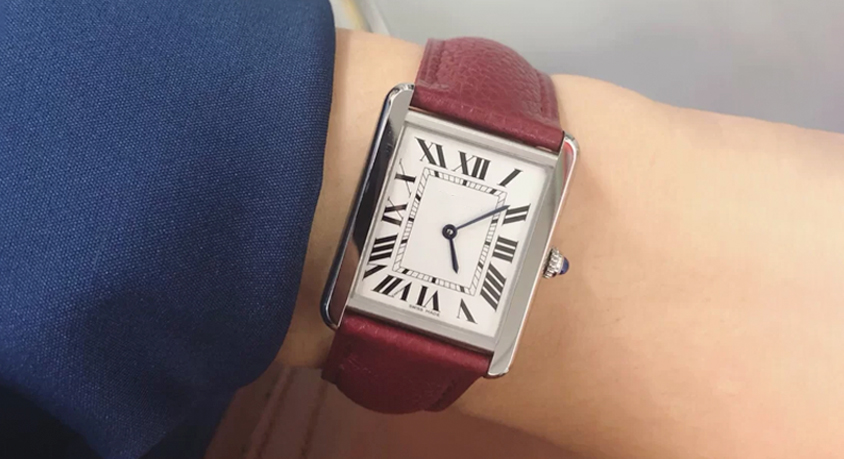
Tank Cintrée (1921): Curved to embrace the wrist like a lover’s palm—12.3mm at center tapering to 4mm
Tank Louis (1922): Louis Cartier’s refined heir—softer angles, warmer golds
Tank Américaine (1989): Elongated silhouette echoing NYC skyscrapers
Tank Must (2021): SolarBeat movement hidden beneath lacquer—Cartier’s wink to modernity
Each iteration shares DNA: the brancard purity, the cabochon crown, the courage to remain legible at microscopic sizes. Collectors hunt the 1927 Tank à Guichets with jumping hours behind square windows—only 6 exist.
While mechanical Tanks exist, the quartz models reveal Cartier’s subversive genius. The 1970s Tank Must housed ETA 251.262 movements—not for cost-cutting, but conceptual purity. "A Tank’s soul is visual, not mechanical," argued designer Gérald Genta. The 2021 SolarBeat iteration embeds photovoltaic cells beneath numerals, charging from any light source for 16 years. This isn’t technology; it’s horological haiku—matching form to function with Zen discipline.
From battlefields to ateliers:
General Pershing (1921): Wore his Tank Normale during Washington Naval Conference
Yves Saint Laurent (1960s): Paired a Tank Louis with le smoking—"My uniform for the gender revolution"
Princess Diana (1990s): Chose yellow gold Tank Française during divorce proceedings—"My golden shield"
Keiko Matsui (Tokyo architect): Wears Tank Américaine while drafting: "Its lines teach me when to stop designing"
Most poignant? A Parisian bookseller’s 1945 Tank: "My grandfather traded bread for it post-liberation. The scratches? Map of our survival."
"Single Step" Lugs (pre-1930): Hand-soldered brancard joints—rougher, rarer
Hidden Signatures: Early dials signed "Cartier" under XII—revealed only at 45° tilt
"Paris Dial" (1970s): Roman IV rendered as IIII for purists
Sapphire Spectrum: Pre-1960s cabochons in deeper "velvet" blue
Notice the strap evolution: original alligator with gold ardillon buckles (1920s) to 1990s deployants hiding Cartier’s double-C logo. The ultimate grail? 1929 Tank Obus—cannonball lugs with lapis lazuli dial.
Cleaning: Polish brancards along the grain with microfiber cloths—never circular
Strap Changes: Use spring bar tools monthly; lizard leather breathes better than calfskin
Storage: Rest face-up in silk-lined trays—prevents cabochon dings
Quartz Care: Replace SolarBeat cells at Cartier only; standard batteries every 3 years
In an age of smartwatches beeping notifications, the Tank endures as an antidote to noise. Its value isn’t complications, but compositional courage. That scratch on your brancard? It maps the day your toddler learned to walk clutching your wrist. The faded lacquer? Absorbed decades of library lamplight while you wrote your thesis. Cartier didn’t create a watch; they bottled the geometry of resilience—proof that luxury is the space between essentials.
When you fasten that lizard strap before a boardroom coup or chemotherapy session, you’re not wearing jewelry. You’re clasping 105 years of radical clarity—the same machine that timed Picasso’s brushstrokes, counted Diana’s public breaths, and pulsed beneath Saint Laurent’s sleeve as he redrew fashion’s boundaries. The Tank doesn’t tell time; it frames moments that redefine lives. After all, isn’t the ultimate luxury needing no decoration but conviction?
MORE FROM WIRED
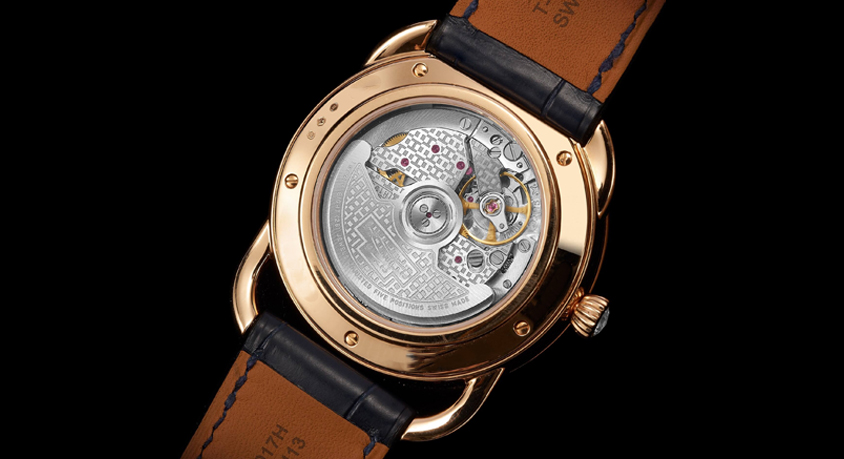
- Hermès Arceau: Stirrups in Time—The Elegance of Asymmetry Woven in Metal
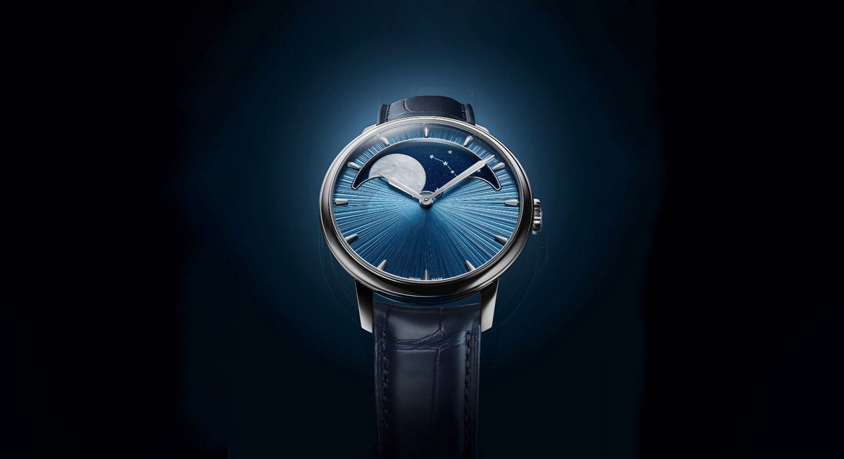
- Arnold & Son HM Perpetual Moon: A Sky Unfolded—Where the Moon Dances on a Sea of Stars
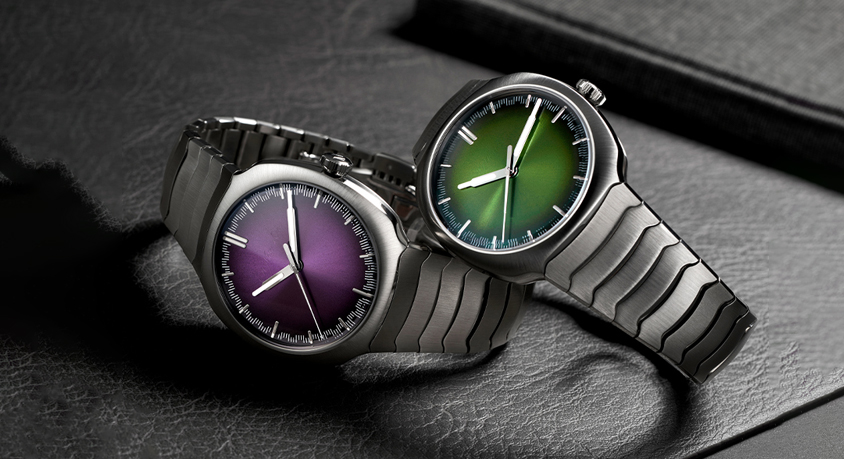
- H. Moser & Cie Streamliner: A Chain of Time Woven—Retro Curves, Future Glow
- Sep,01,2025
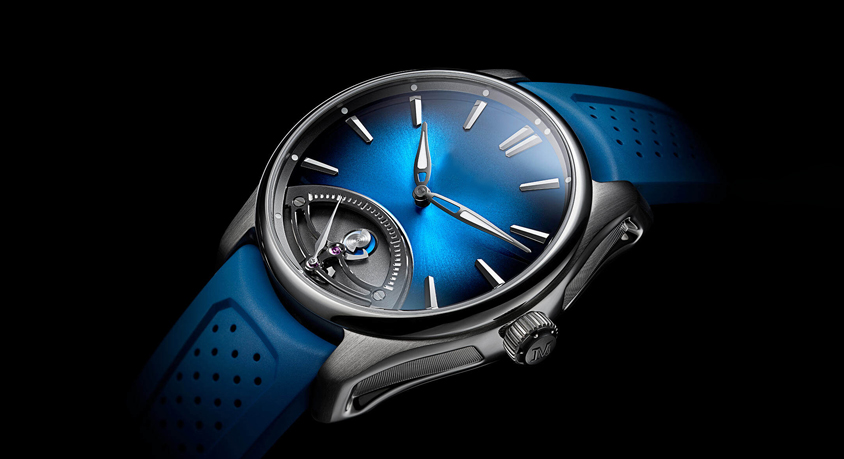
- H. Moser & Cie Endeavour: Time Stripped Bare—The Quiet Luxury of a Smoked Dial
- Aug,25,2025
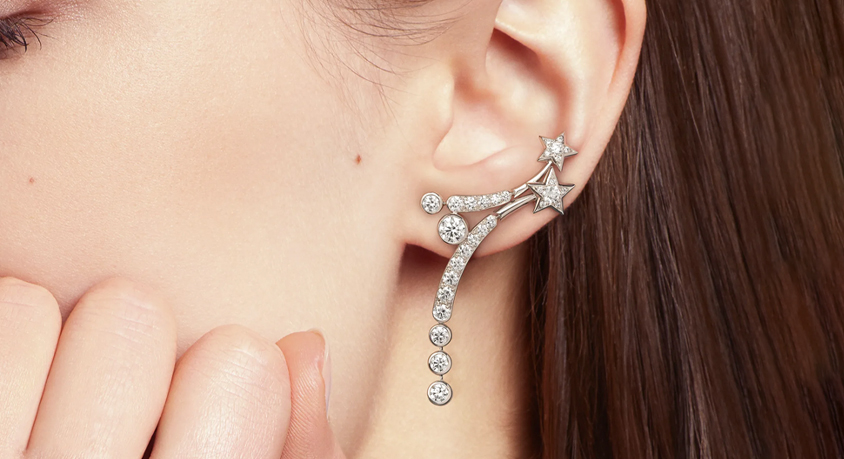
- Chanel Comète: Asymmetric Celestial Whispers That Dance on the Ear
- Aug,18,2025
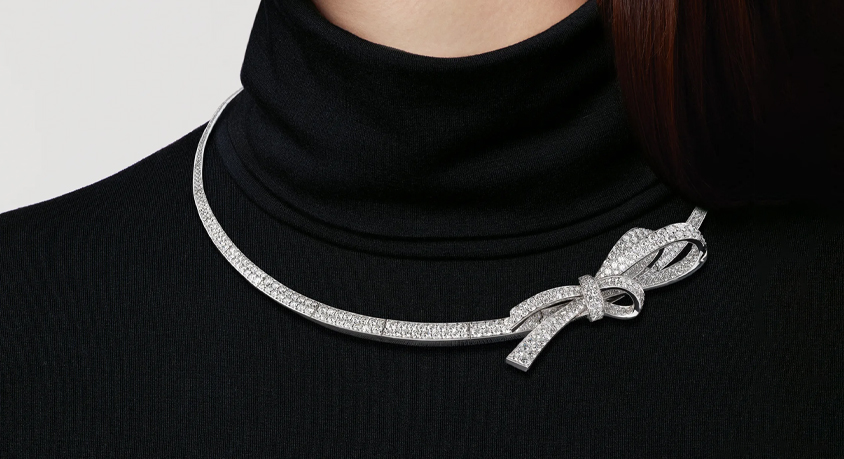
- Chanel Ruban: A Diamond Ribbon Bow That Ties Time in Elegance
- Aug,11,2025
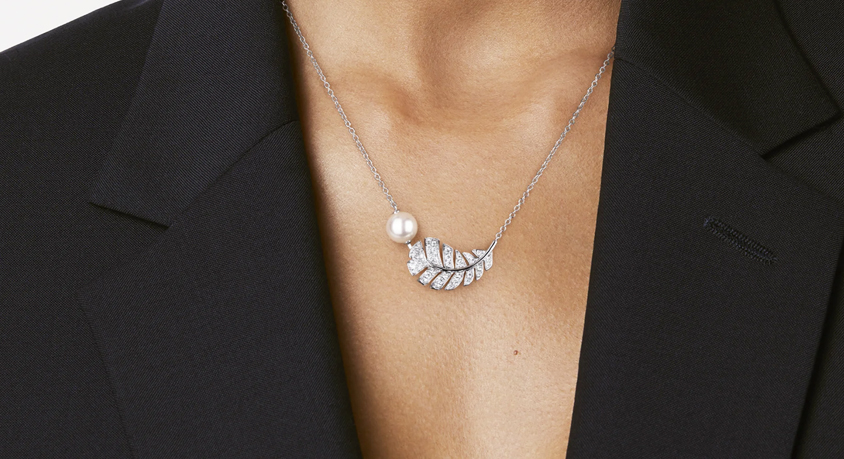
- Chanel Plume de Chanel: Where Diamonds Take Flight—Feathers Woven in Light
- Aug,04,2025