
BVLGARI Serpenti: Where Scales Weave Magic—Diamonds, Enamel, and Timeless Allure
There is a primal fascination with the serpent—a creature that moves with liquid grace, its scales catching light like scattered gemstones, its form a symbol of transformation and eternal life. From ancient Egyptian tombs where cobras adorned pharaohs’ headdresses to Roman mosaics that wove serpents into tales of power, this creature has long been a muse for artists and artisans. It is a symbol of duality: strength and sensuality, danger and protection, wildness and wisdom. In the hands of BVLGARI, this age-old fascination becomes something extraordinary. The Serpenti snake necklace, with its coiled form, shimmering scales, and choice of brilliant diamonds or vivid enamel, is more than a piece of jewelry. It is a wearable legend, a fusion of ancient symbolism and modern craftsmanship, a testament to how a single motif can capture the imagination for decades.
To drape a BVLGARI Serpenti necklace around the neck is to connect with a legacy that spans centuries—yet feels as fresh as today. BVLGARI, rooted in Rome’s rich history of art and architecture, has always drawn from the past to create the future. The Serpenti collection, born in the 1940s, reimagined the serpent not as a fearsome beast, but as a symbol of empowerment. The necklace’s design is a study in movement: the serpent’s body coils gently, following the curve of the neck, its head resting softly against the collarbone, eyes often set with a tiny ruby or emerald that seems to blink with life. Whether rendered in diamond-covered scales that catch every ray of light or vibrant enamel that evokes the hues of Mediterranean seas, it is a design that defies rigid categories. It is bold enough to command attention on a red carpet in Los Angeles, yet elegant enough to elevate a silk blouse during a lunch in Manhattan. This versatility is no accident; it reflects BVLGARI’s belief that luxury should adapt to the wearer, not constrain them.
The craftsmanship of the Serpenti necklace is where art meets engineering, each scale a testament to BVLGARI’s 130-year mastery. For the diamond-encrusted versions, artisans begin with selecting the finest diamonds—stones chosen for their clarity, cut, and “fire,” the way they disperse light into a rainbow of colors. Each “scale” is crafted from 18K gold or platinum, metals chosen for their malleability and ability to hold diamonds securely. The diamonds are set using a technique called “pavé,” where tiny prongs hold each stone in place, leaving 90% of the diamond exposed to light. It is a labor-intensive process: a single necklace can require over 1,000 diamonds, each placed with microscopic precision to ensure the scales flow seamlessly, no two stones overlapping or leaving gaps. The effect is breathtaking—when the necklace moves, the diamonds shimmer like a wave, as if the serpent itself is gliding across the skin.

For the enamel versions, the artistry takes a different form. BVLGARI’s enamelists, trained in a technique that dates back to the Renaissance, apply layers of colored glass to the gold base, firing each layer at 800°C to create a smooth, glossy finish. The process is delicate: a single misstep in temperature can crack the enamel, ruining hours of work. The result is a palette of hues—deep emerald, sapphire blue, or sunlit yellow—that mimic the serpent’s natural beauty, yet feel distinctly modern. The enamel is then polished to a velvety sheen, contrasting with the gold beneath to make the scales pop, as if they’ve been kissed by sunlight. Whether in diamonds or enamel, every Serpenti necklace requires over 500 hours of work, a testament to BVLGARI’s refusal to rush perfection.
The Serpenti necklace’s allure for collectors lies in its rarity and cultural resonance. BVLGARI produces limited editions of certain designs—such as necklaces with rare colored diamonds or hand-painted enamel—making them highly sought after. Vintage Serpenti pieces from the 1960s and 1970s, with their bold lines and experimental colors, now fetch premium prices at auctions, their value driven by their connection to BVLGARI’s golden age. Part of their appeal is their ability to tell a story: the serpent, a symbol of rebirth, becomes a metaphor for the necklace’s own journey—passed from one generation to the next, each wearer adding new chapters. A diamond Serpenti might be inherited from a grandmother who wore it to embassy galas; an enamel version could mark a career milestone, a gift to oneself for achieving a dream. These stories, paired with the necklace’s timeless design, ensure it remains a cornerstone of any serious jewelry collection.
Yet what truly makes the Serpenti necklace unforgettable is how it becomes part of the wearer’s identity. It is the necklace that catches the eye at a gallery opening, its scales glinting under spotlights as conversations flow. It is the piece that adds a touch of drama to a simple cashmere sweater, turning a morning coffee run into a moment of quiet luxury. It is the accessory that feels like a second skin, its coils moving with the body as naturally as breath. Unlike jewelry that feels costume-like, the Serpenti feels personal—it adapts to mood, to occasion, to the wearer’s own sense of style. It is a reminder that great design does not just adorn; it empowers.
In a world that often chases the new, BVLGARI Serpenti stands as a celebration of endurance. It is a design that has evolved with the times—from the bold gold of the 1950s to today’s sleek diamond and enamel versions—yet remains true to its essence. It is a symbol that bridges ancient myths and modern lives, a masterpiece that turns scales into poetry, and moments into memories. For those who seek more than a necklace—who crave a piece that carries history, craftsmanship, and a touch of magic—Serpenti is not just jewelry. It is a legacy, coiled gently around the neck, waiting to be worn, cherished, and passed down.
MORE FROM WIRED
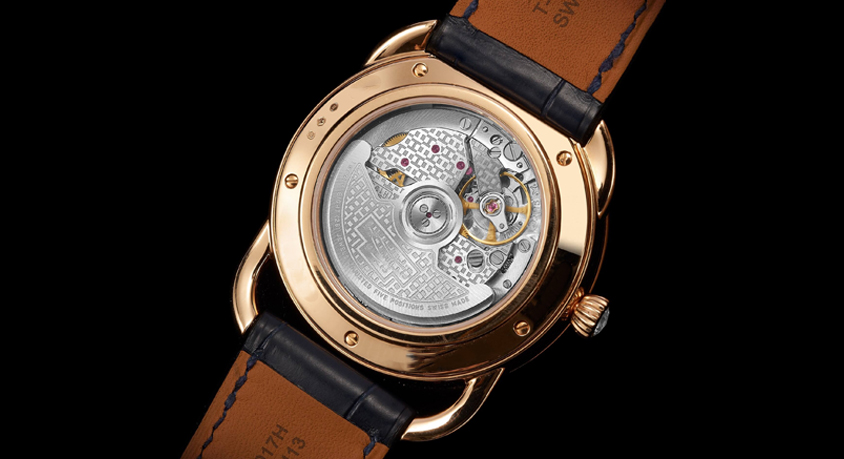
- Hermès Arceau: Stirrups in Time—The Elegance of Asymmetry Woven in Metal

- Arnold & Son HM Perpetual Moon: A Sky Unfolded—Where the Moon Dances on a Sea of Stars

- H. Moser & Cie Streamliner: A Chain of Time Woven—Retro Curves, Future Glow
- Sep,01,2025

- H. Moser & Cie Endeavour: Time Stripped Bare—The Quiet Luxury of a Smoked Dial
- Aug,25,2025

- Chanel Comète: Asymmetric Celestial Whispers That Dance on the Ear
- Aug,18,2025
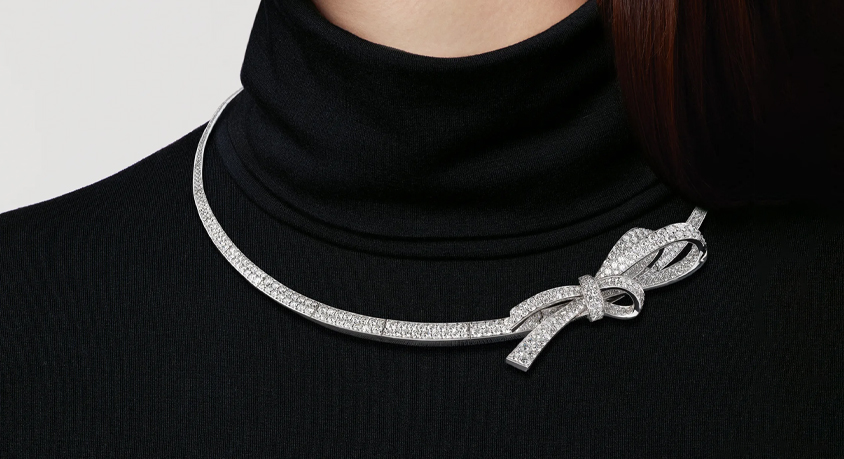
- Chanel Ruban: A Diamond Ribbon Bow That Ties Time in Elegance
- Aug,11,2025
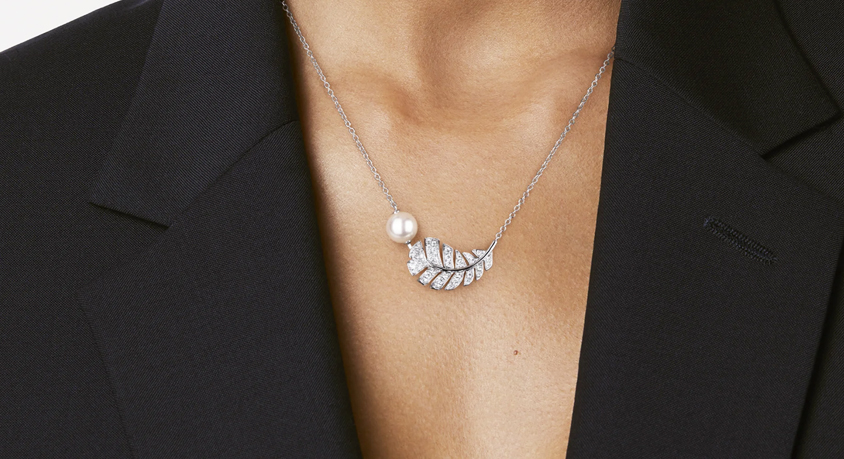
- Chanel Plume de Chanel: Where Diamonds Take Flight—Feathers Woven in Light
- Aug,04,2025