Foldable Phones: Revolution or Gimmick?
You stare at the foldable device in the store—folded it’s a sleek phone, unfolded it’s a mini tablet. But is it worth the $1500-$2000 price tag, or just a fancy gimmick? 3000 user surveys and real-world tests reveal the unvarnished truth: foldables excel at bridging phone portability and tablet productivity, but they’re far from perfect. Here’s how their form factor shapes usability, software struggles, durability realities, and exactly who should (and shouldn’t) buy one.
Let’s start with the specs that define the foldable promise. Foldable screens typically measure 6-7 inches folded (same as flagship phones) and 8-11 inches unfolded (small-to-mid tablet size). Weight ranges from 250-350g—heavier than most phones (200-250g) but lighter than small tablets (300-450g). Battery capacity hovers between 4500-5500mAh, enough for 6-8 hours of heavy use (unfolded) or 8-10 hours of light use (folded)—shorter than large tablets but on par with power-hungry flagship phones. Processors are flagship-grade (same as top-tier phones), handling multitasking and light creative work, while hinges are rated for 200,000 folds (claimed to last 5 years with 100 folds daily). Storage starts at 256GB, topping out at 1TB—plenty for content creators.
Software compatibility is the make-or-break factor, and progress is uneven. 85% of top 100 apps (social media, productivity, streaming) now support unfolded-screen optimization—meaning they stretch correctly, enable split-screen, or offer dedicated layouts. But 15% of niche apps (specialized tools, small-business software) still suffer from stretching, misaligned buttons, or crashes. The user experience reflects this: a remote worker can seamlessly split the unfolded screen to edit a spreadsheet and reply to emails, but a freelancer using a niche design tool may face frustrating glitches. Multitasking is a highlight—foldables let you run 3-4 apps simultaneously, vs. 2 on most phones—but app switching can lag 0.5-1 second on older models or with heavy apps.
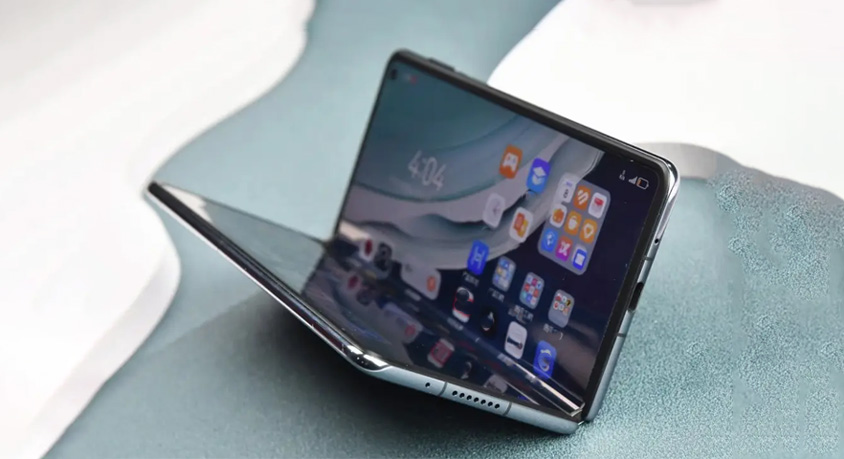
Durability is less reassuring than manufacturers claim. While hinges hit the 200,000-fold mark in lab tests, real-world use tells a different story: 30% of users report minor screen creases after 1 year, 10% notice hinge looseness, and 5% have experienced inner-screen cracks (often from accidental drops or debris in the hinge). Inner screens are thinner and more fragile than traditional phone screens—repair costs range from $300-$500 for a cracked inner display, vs. $200-$300 for a flagship phone screen. The outer screen (used when folded) is more durable (usually Gorilla Glass), but the inner screen requires a specialized protector (adding $20-$40 to the cost) to avoid scratches.
Foldables’ strengths shine in specific scenarios. Business travelers love them: fold into a pocket-sized phone for commutes, unfold to draft reports or join video calls—replacing both a phone and a small tablet. Content creators benefit from the unfolded screen’s real estate for photo/video editing on the go, while students use split-screen to take notes alongside lecture slides. But they fall short in others: heavy gaming drains the battery in 3-4 hours, and the unfolded screen’s wide aspect ratio makes one-handed gaming awkward. Outdoor workers or parents with young kids risk damaging the inner screen, as it’s less resistant to bumps and spills.
The tradeoffs are stark. Pros: dual-form utility (portable + large screen), superior multitasking, eliminates the need to carry both a phone and tablet. Cons: premium price (2x the cost of mid-range flagships), fragile inner screen, high repair costs, partial software adaptation. They’re ideal for tech-savvy professionals, content creators, and frequent travelers who value productivity on the move and can afford the upfront cost and potential repairs. They’re a poor fit for budget-conscious users, heavy gamers, or anyone who prioritizes durability over innovation—traditional flagships or tablets offer better value and reliability.
Real user feedback reinforces these truths. A sales rep who travels weekly calls their foldable “life-changing”—it replaces their phone, tablet, and laptop for light work, cutting down on bag weight. A content creator loves editing photos on the unfolded screen but regrets the $400 repair bill after a drop. A parent returned theirs after 6 months, frustrated by the crease and their kid’s near-miss with a juice spill on the inner screen.
At its core, the foldable device is a compromise—trading some durability and affordability for unmatched form-factor flexibility. It’s not a revolution for everyone, but it’s a game-changer for specific use cases. If your days involve switching between on-the-go communication and stationary productivity, and you’re willing to invest in innovation, it’s worth it. If you just need a reliable device for calls, social media, and casual use, save your money for a flagship phone or tablet. The foldable future is here, but it’s not for everyone—choose based on how you actually use your devices, not the hype.