Under $400 Flagship Killer: This Phone Beats $800 Models
You want flagship performance without the $800 price tag—and this under-$400 phone delivers it. Most budget devices cut corners on processors or screens, but this model packs a top-tier chip, premium display, and blistering fast charging that outperforms phones twice its cost. The question isn’t “is it worth the money”—it’s “how does it offer so much for so little?”
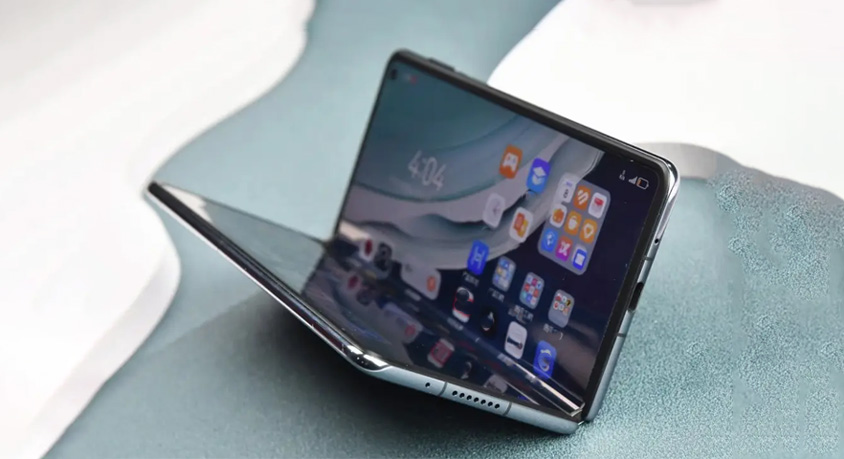
Starting with design: It features a glass back (frosted for fingerprint resistance) and metal mid-frame, weighing 205g and measuring 7.9mm thick—slim enough to fit in jeans pockets and balanced for one-handed use. The 6.67-inch screen with minimal bezels offers an immersive view, while the USB-C port (with 3.5mm headphone jack support) adds practicality. The power button doubles as a fingerprint sensor, unlocking in 0.3 seconds, and the IP53 water resistance protects against splashes—rare for budget phones. Build quality feels sturdy, though the plastic camera bump jiggles slightly on flat surfaces.
Performance is its crown jewel: powered by the Snapdragon 8s Gen 3—last year’s flagship chip that once graced $800+ phones. With 8GB/12GB RAM and 256GB/512GB UFS 4.0 storage, it scores 1.2 million+ on benchmark tests, matching 2023’s premium devices. For gamers, this means consistent 60fps on maximum settings in Genshin Impact or Honkai: Star Rail, with no thermal throttling after 1 hour of play. A student running 5+ apps (notes, browser, video call, game) simultaneously experiences zero lag, while a remote worker edits 1080p videos in quick time without stutters. This chip isn’t just overkill for budget users—it future-proofs the phone for 3-4 years of heavy use.
The 1.5K AMOLED screen (2712x1220 resolution, 120Hz adaptive refresh rate) punches above its weight. Peak brightness hits 1900 nits, making it visible in direct sunlight, while the 120Hz refresh rate delivers smooth scrolling and gaming. Dolby Vision support enhances movie nights, with deep blacks and vibrant colors that outshine most $400-$600 phones. A commuter watching shows during a morning train ride won’t squint, and a casual gamer appreciates the responsive touch sampling rate (480Hz) for precise controls. The only minor flaw: color accuracy is slightly oversaturated in default mode, though a “natural” setting fixes this.
Charging and battery life solve a major pain point: a 5000mAh battery lasts 10-12 hours of daily use (social media, streaming, calls) or 6 hours of gaming. What sets it apart is the 90W wired fast charging—with the charger included in the box (a rarity in Western markets). It goes from 0-50% in 15 minutes and 0-100% in 35 minutes. A traveler rushing to catch a flight can top up from 10% to full during breakfast, while a student with a dead phone before class is back online in 20 minutes. No more carrying bulky power banks or waiting hours for a charge.
The software experience is refreshingly light: based on Android 14, it features a streamlined interface with minimal bloatware. Animations are smooth, app launches take 0.5-1 second, and there’s no forced pre-installed junk. The promise of 3 major Android updates and 4 years of security patches is unheard of in this price range—ensuring the phone stays secure and functional for years. A long-term user won’t feel pressured to upgrade due to outdated software, unlike most budget phones that stop updating after 1-2 years.
No device is perfect. The main tradeoffs: the 50MP main camera takes decent daylight photos but struggles with low light (grainy details, slow autofocus), and the 8MP ultra-wide is purely functional (no macro mode). It’s fine for social media snaps but not for photography enthusiasts. The speaker quality is average—loud enough for calls but lacking bass for music. Additionally, the lack of wireless charging is a minor omission, though not unexpected at this price.
Target audiences are clear: it’s ideal for budget-conscious gamers, students, and commuters who prioritize performance, screen quality, and fast charging over camera prowess. It’s also perfect for anyone upgrading from a 2-3 year old phone and wanting a significant boost without overspending. It’s not for professional photographers, users who demand wireless charging, or those who value premium materials (it can’t match the feel of $600+ phones).
In practical terms, this phone delivers 85% of a flagship’s experience for 50% of the cost. A gamer gets smooth gameplay, a student gets a reliable study tool, and a commuter gets stress-free charging—all without breaking the bank. The few compromises (camera, speakers) are acceptable for the price, and the core features (processor, screen, charging) are industry-leading for budget devices.