The Invisible E-Waste Crisis: How to Recycle Old Cables, Headphones and Gadget Junk Properly
That drawer stuffed with frayed charging cables, the wireless headphones with one dead earbud, and the smart thermostat that stopped connecting to Wi-Fi—they’re not just clutter; they’re invisible e-waste, and they’re piling up faster than you think. A 2024 global e-waste report revealed that small tech accessories like cables, earbuds, and smart home widgets make up 35% of household electronic waste, yet only 12% of these items get recycled. Most end up in landfills, where their plastic casings take centuries to break down and their internal metal components leach toxic chemicals into soil and water. The problem isn’t that we’re replacing tech—it’s that we have no clue how to get rid of the scraps properly. This guide isn’t about going zero-waste overnight; it’s about turning that junk drawer from an environmental nightmare into a recycling win.
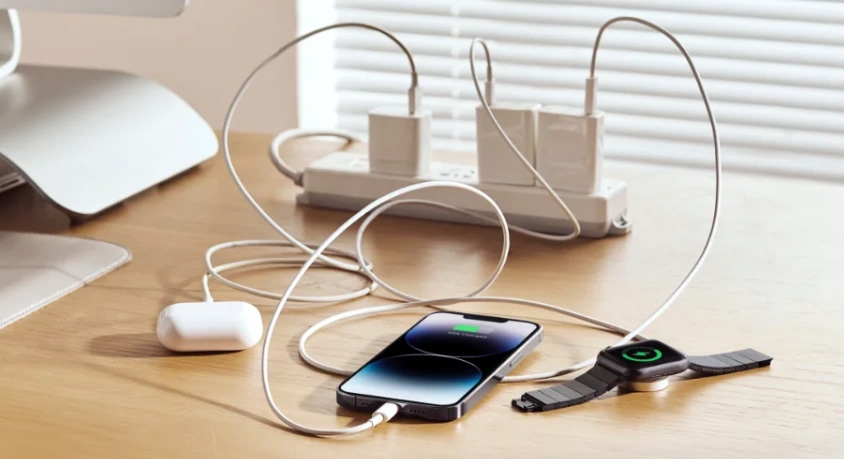
Old charging cables and adapters are the most common culprits of invisible e-waste, and their mixed materials make them tricky to recycle if you don’t know the drill. Most cables are made of copper wiring wrapped in PVC plastic, and adapters often contain small circuit boards with lead and other metals. A 2023 materials recovery study found that recycling just 100 old cables can recover enough copper to make 15 new ones, cutting down on the need for mining raw materials. The good news is many retail stores have drop-off bins specifically for cables and adapters—no need to strip them or separate parts. For those who hate making extra trips, some mail-in recycling programs accept small batches for free, though you’ll have to package them securely. The downside is that mail-in options can take 2-3 weeks to process, and some charge fees for large quantities. These methods work perfectly for anyone tired of tangled, useless cables, but they’re not ideal for people who want instant clutter removal without any effort.
Faulty headphones and portable speakers are another e-waste blind spot, especially since they often hide small batteries that pose big risks. A 2024 battery safety report noted that lithium-ion batteries in wireless earbuds can catch fire if crushed in landfills, making proper disposal non-negotiable. For headphones with removable batteries, pop out the battery first—many drugstores and electronics shops have battery recycling bins. For non-removable models, look for e-waste recycling centers that handle small audio devices; they have the tools to safely extract batteries and separate plastic, metal, and electronic components. Imagine you’re a student who broke your headphones right before finals—instead of tossing them in the trash, dropping them at a local recycling center takes two minutes and keeps hazardous materials out of landfills. This approach is great for eco-conscious users, but it falls short for those who have only one broken earbud and find the effort of recycling not worth the hassle.
Smart home gadgets like dead smart bulbs, faulty motion sensors, and outdated smart plugs blend into junk drawers, but their complex parts demand specific recycling steps. These devices often combine plastic, metal, and small circuit boards, and some have rechargeable batteries built in. A 2024 smart home waste survey found that 60% of users throw away broken smart gadgets because they assume they’re unrecyclable, but most can be processed at specialized e-waste facilities. Many manufacturers run take-back programs too—send in your old gadget, and they’ll recycle it or repurpose usable parts. For example, a broken smart bulb can have its glass and metal recycled, while its circuit board is stripped for valuable metals. This is a game-changer for anyone who loves upgrading their smart home, but it’s less convenient for people in rural areas without easy access to recycling centers or mail services.
Before recycling, it’s worth checking if your tech clutter can be reused or donated—many items that feel broken to you might work for someone else. A 2023 charity tech report found that 40% of “broken” earbuds just need a new charging case, and faulty smart plugs often have fixable wiring. For items in working condition, donate them to schools, community centers, or nonprofits that help low-income families get access to basic tech. If you’re selling functional small gadgets online, price them low—think 10-20 dollars—and highlight their condition to attract buyers. Picture a freelance designer clearing out their workspace; that extra charging cable or barely used portable speaker could be a lifesaver for a student setting up their first home office. Reusing or donating is perfect for budget-conscious and community-minded users, but it’s not practical for items that are truly damaged beyond repair, like frayed cables that pose a fire risk.
Recycling invisible e-waste comes with clear perks and unavoidable drawbacks. The pros are undeniable: reducing landfill waste, conserving raw materials, and preventing toxic chemicals from polluting the environment. The cons often boil down to convenience—some recycling methods require extra trips or waiting, and not all areas have accessible drop-off points. This guide works best for users who want to make small, sustainable changes without overhauling their routine, but it won’t suit those who prioritize speed over eco-friendliness. The key takeaway is that every small step counts—recycling one batch of cables or donating a pair of working headphones is better than letting them rot in a landfill. Stop seeing that junk drawer as a mess; see it as an opportunity to do better for the planet. With minimal effort, you can turn your tech clutter into something useful, and that’s a win for both you and the environment.