Battery Health Crisis: Why Your Charging Habits Age Devices 3X Faster
Have you noticed that your smartphone battery health plummeted to 78% just six months after purchase? You are not alone. Many consumers are discovering that their once-reliable devices suffer a rapid decline in battery capacity. This often stems from incorrect charging habits, particularly with the use of fast charging technology. In this article, we will explore how such practices can significantly accelerate device aging and provide actionable steps you can take to extend your battery's lifespan.
Real Case: A shocking user report noted that their smartphone battery capacity dropped from 100% to a mere 79% in one year. This degradation is not merely anecdotal; it's a consequence of the subtle but impactful chemical processes occurring within lithium-ion batteries.
Scientific Breakdown: Lithium-ion batteries are complicated systems influenced by multiple factors, including temperature, charging speed, and usage patterns. One critical aspect of battery degradation is the crystallization of lithium. When you repeatedly fast charge a battery, it heats up, promoting the formation of lithium deposits that can lead to a decline in performance and overall capacity.
Charging Temperature Impact: Research has shown that charging at higher temperatures can severely affect battery longevity. In an experiment comparing charge cycles at various temperatures (20℃, 30℃, and 40℃), results revealed that batteries exposed to 40℃ experienced approximately a 30% reduction in lifespan compared to those charged at 20℃.
Key Data: A significant 2023 report from the International Journal of Energy Research indicates that lithium-ion batteries can retain about 80% of their initial capacity only through 500 full charge cycles. With high temperatures playing a detrimental role in this equation, it's clear that poor charging practices can lead to accelerated battery degradation.
If your battery health is dwindling, don’t panic—there are practical and effective measures you can apply to prolong the life of your smartphone battery:
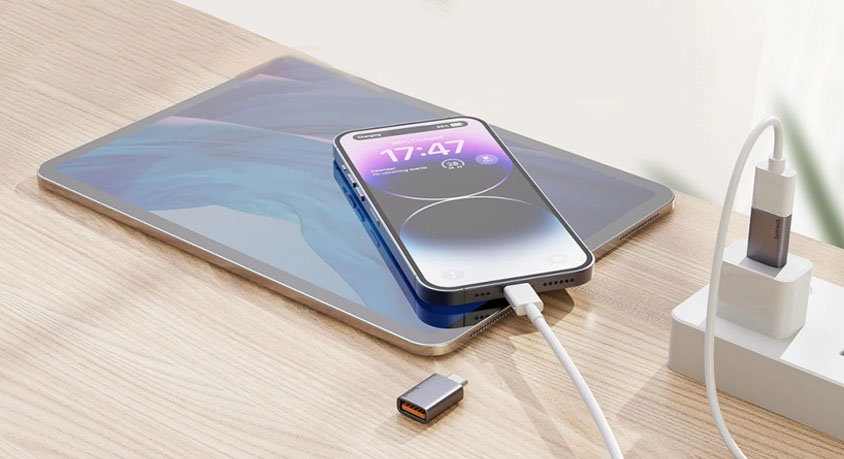
Daily Use: Aim to keep your battery charged between 20% and 80%. Staying within this range limits the extreme charge cycles that can strain the battery, thus helping maintain its overall health. When a battery is frequently charged to 100%, it can go through more charge cycles, leading to quicker wear and tear.
Travel Mode: On days when you anticipate high usage, charging to 100% may be necessary. However, this should be done sparingly. Instead, if you're not using your phone heavily, simply charge it during shorter intervals instead of letting it reach its maximum capacity consistently.
Storage: If you plan to store your device for an extended amount of time, it’s best to keep it charged to around 40%. Storing devices at full charge or in a depleted state can lead to irreversible damage.
To prevent overheating while charging wirelessly, consider upgrading your setup. Adding a graphene thermal pad can aid heat dispersion, enhancing the charging process. Here’s how you can make these adjustments:
Materials Needed: Purchase a graphene thermal sheet and adhesive backing.
Steps:
Measure the surface area of your wireless charger.
Cut the thermal sheet to fit and apply it to the charging surface.
Ensure that it does not obstruct the charging area to maintain efficiency.
Charge Smartly: Utilize smart charging features available on most modern devices. These settings can monitor your charging habits and slow down the charging rate as it approaches full capacity, thus reducing heat and prolonging battery life.
Use Quality Chargers: Always use high-quality, certified chargers. Subpar products can introduce excess heat or inconsistent power delivery to the battery, which might degrade its health.
The future of battery technology looks increasingly promising with the potential rise of solid-state batteries anticipated by 2025. These batteries are designed to offer enhanced safety, higher energy density, and significantly longer lifespans than conventional lithium-ion batteries.
According to research conducted by the Institute of Electrical and Electronics Engineers (IEEE), solid-state batteries could become a game-changer for consumer electronics. They not only promise reduced risk of overheating and fires but also feature better energy retention, thus impacting device longevity positively and helping to mitigate the growing challenge of electronic waste.
In summary, the health of your smartphone battery is at significant risk due to prevailing improper charging habits. However, by adopting a more thoughtful charging strategy and employing tactical modifications to your equipment, you can potentially extend your device’s lifespan significantly.
Action Checklist:
Switch to a daily charging strategy between 20% and 80%.
Consider adding thermal management modifications such as graphene thermal sheets to your charging setup.
Stay informed about advancements in battery technology, and contemplate waiting for the rollout of solid-state batteries.
Risk Alert:
Neglecting these practices and adopting ineffective charging habits could lead to a rapid decline in battery health, necessitating replacements much sooner than you expect. Recognize that although your intentions might be benign, the manner in which you treat your device can have extensive consequences. Start implementing these practices today to preserve the longevity and efficiency of your electronic devices!
By making informed choices and adjusting your charging habits, not only can you maximize battery health, but you can also reduce environmental impact through less electronic waste. The time to act is now—give your battery the care it deserves!